Manufacturing
OEM vs ODM Perfume Manufacturing: Which Model Is Right for Your Brand?
Understand the difference between OEM and ODM perfume production, and how to choose the right manufacturing model for your fragrance project.
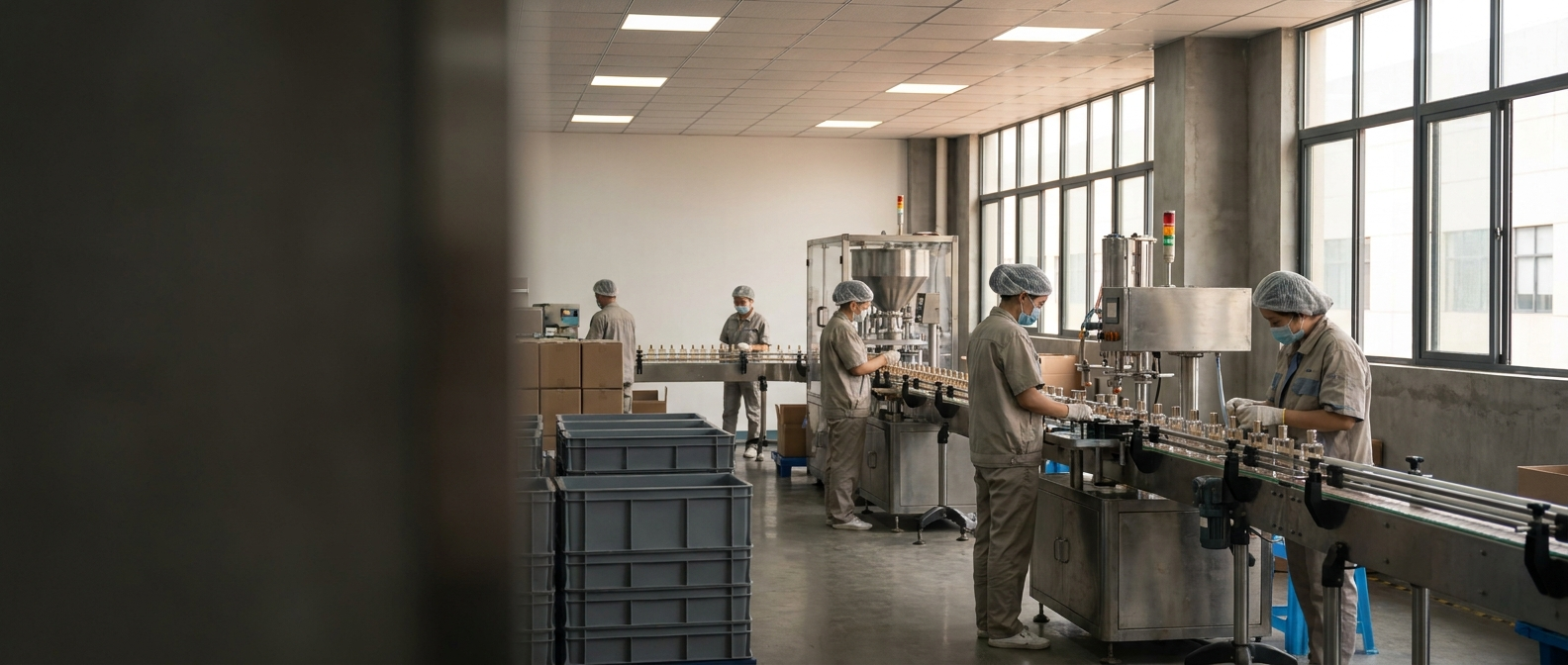
When comparing perfume manufacturers in China, you will often see two terms: OEM and ODM.
Both models can be used for private-label perfume production, but they are not exactly the same. The right choice depends on how much control you want, how much product development you have already completed, and how quickly you want to launch.
What Is OEM Perfume Manufacturing?
OEM usually means the factory produces perfume according to the client’s brand requirements, formula, packaging specifications, or selected production plan.
In a perfume OEM project, the client may already have:
- a brand name and product concept
- a fragrance direction or existing formula
- selected bottle and packaging style
- label or box artwork
- target quantity and price range
- specific requirements for filling, assembly, and export
However, OEM does not always mean that the client must provide everything from the beginning. Many perfume brands still need support with fragrance selection, bottles, box production, labeling, filling, and quality control.
A practical OEM perfume project may include:
- using the client’s brand logo
- selecting a stock glass bottle
- choosing an existing fragrance from a library
- adjusting fragrance concentration or scent direction
- printing labels or boxes
- filling, crimping, packing, and inspection
OEM is suitable for brands that already have a clear product direction and want the factory to manufacture the product under their own brand.
What Is ODM Perfume Manufacturing?
ODM usually means the perfume manufacturer provides more product development support.
Instead of only following fixed client specifications, the supplier helps develop the product concept into a finished perfume. This may include fragrance suggestions, bottle options, packaging structure, sample development, and production planning.
In an ODM perfume project, the factory may help with:
- fragrance library selection
- scent matching or formula adjustment
- bottle and atomizer recommendations
- packaging design direction
- box and insert structure
- sample preparation
- production feasibility review
- MOQ and cost optimization
ODM is often useful for startups, influencers, online sellers, boutique brands, and distributors who have a target market but need technical and manufacturing support to turn the idea into a real product.
OEM vs ODM: The Main Difference
The simplest way to understand the difference is this:
OEM is better when you already know what you want to make.
ODM is better when you need the supplier to help develop the product.
For example:
If you already have a perfume formula, bottle design, packaging artwork, and clear production specifications, OEM is usually the right model.
If you only know that you want to launch a long-lasting floral perfume, a Middle East-style oud fragrance, a travel atomizer line, or a private-label gift set, ODM support may be more practical.
In real perfume manufacturing, many projects are not purely OEM or purely ODM. They are often a combination of both.
A client may use a stock bottle, choose an existing fragrance, customize the box, adjust the scent concentration, and produce everything under their own brand. This is common in private-label perfume manufacturing.
Which Model Is Better for New Perfume Brands?
For most new perfume brands, starting with a stock bottle, existing fragrance options, and customized packaging is usually the most practical path.
This approach can reduce:
- development time
- mold cost
- sampling risk
- MOQ pressure
- packaging mistakes
- launch delay
After the first product proves market demand, the brand can upgrade to custom scent development, exclusive bottle molds, premium caps, rigid boxes, or more advanced packaging.
For new brands, the best path is often:
- Choose a fragrance direction
- Select a stock bottle or atomizer
- Customize label and packaging
- Make samples
- Test the market
- Scale production
- Upgrade to more customized design later
This keeps the project flexible while still allowing the brand to build its own identity.
What Should You Prepare Before Contacting a Factory?
To receive a more accurate quotation, it helps to prepare:
- bottle size
- fragrance direction
- target market
- estimated quantity
- preferred bottle style
- cap or sprayer preference
- packaging requirements
- logo or artwork if available
- destination country
- document requirements such as IFRA, SDS/MSDS, or COA
If you do not have all these details yet, you can still start with a basic project brief. A perfume manufacturer can help you compare options and decide the most suitable path.
Summary
OEM and ODM are both useful models for perfume production in China.
Choose OEM if you already have clear product specifications and need a factory to produce according to your requirements.
Choose ODM if you need help with fragrance selection, bottles, packaging development, sampling, and production planning.
For most private-label perfume projects, the real solution is often a mix of both: using proven manufacturing options while customizing the fragrance, bottle, packaging, and branding step by step.
Aromabridge manufactures perfume for brands, including fragrance selection, scent matching, bottles, packaging, filling, assembly, quality control, and export preparation in China.
To start your project, send us your fragrance direction, bottle size, quantity, packaging needs, and destination market.